












Science Exchange Virtual Lab Managers™ see the same pattern in labs without a procurement team: good pricing comes from a routine, and most labs only ask for a discount when a big purchase forces the conversation. In Episode 1 of Ask a VLM, Virtual Lab Manager Valerie Scott, PhD explains when to negotiate vendor pricing. This guide covers the routine around those moments, so managing lab vendor pricing takes an hour a month. Administrative purchasing already takes ~30% of scientist time, and a routine gives some of those hours back to the bench.
How do you manage lab vendor pricing without a procurement team?
Build a routine around the moments that move price
Science Exchange recommends treating vendor pricing as a monthly routine, built around the moments Valerie Scott identifies in Episode 1. Always ask for a discount on capital equipment while you confirm specifications with the rep. Ask for a loyalty discount on bulk and recurring orders and from your top five vendors, either across the catalog or on your most-ordered items. Hold the ask when an order is urgent. "You're spending a lot of money with that vendor, and they should realize that and extend a discount for your loyalty," Scott says. The routine below makes sure you know who those vendors are, walk into each conversation prepared, and keep the discounts you win.
How do you track lab vendor spend without procurement software?
One sheet, twelve months, five names
Science Exchange suggests starting with a single spreadsheet. Pull twelve months of invoices and order confirmations, and give each line a row with the vendor, the item, the quantity, the unit price, and the order date. Sort by vendor and total the spend. The top five vendors by spend are your first loyalty discount conversations, and the items that show up month after month are your recurring orders. Emerging biotech teams can build this view in an afternoon and refresh it monthly in a few minutes.
How do you prepare for a lab equipment price negotiation?
Know your walk-away price before the call
Science Exchange advises labs to settle three numbers before any equipment call. First, get a second written quote for a comparable instrument, so you know your best alternative if the conversation stalls. Next, set your opening ask, which should be high enough to leave room to meet in the middle. Last, set the highest price you will accept, and write it down so you aren't deciding under pressure. Bring your specification list to the same call, since that is the conversation where the rep is most invested in your order.
How do you keep urgent orders from costing you discounts?
Reorder points move orders out of rush mode
Science Exchange recommends setting a reorder point for every consumable on your recurring list. That's the stock level that triggers a new order while there's still time to ask about price. Valerie Scott's rule for urgent orders still applies when something slips through. If you need twenty cases tomorrow, order one or two now and negotiate a discount on the rest. The Lab Startup Playbook covers the setup choices that make reorder points easier to keep.
What should you record after negotiating a lab discount?
A record protects the discount and the grant report
Science Exchange suggests adding three columns to the spend sheet for every discount you win: the percentage or price, the scope (full catalog or specific items), and the date it was agreed. Check new invoices against that record, because a discount nobody tracks tends to disappear at renewal. Labs with NIH awards have a second reason to keep it: purchase discounts and rebates count as applicable credits under the NIH Grants Policy Statement, so confirm the treatment with your grants office. Share the sheet with whoever covers purchasing when you're out, so the routine survives vacations and new hires.
How does a Virtual Lab Manager help with lab supply purchasing?
A person runs the purchasing so your scientists stay at the bench
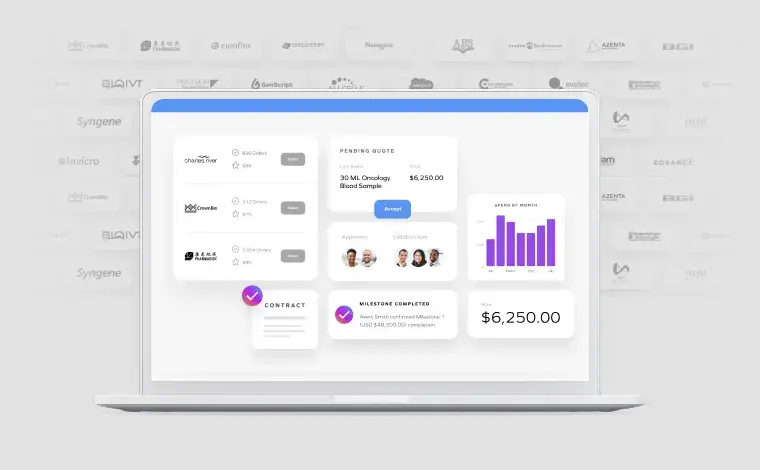
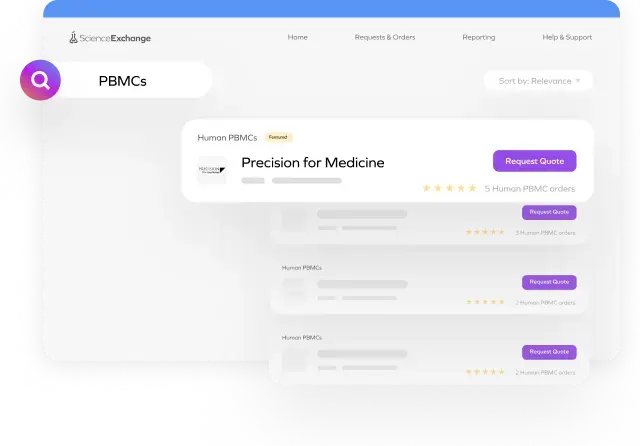
Science Exchange Virtual Lab Manager is a service in which a dedicated Virtual Lab Manager handles supplier identification, quote requests, pricing negotiation, purchase orders, and invoice tracking for your team. Virtual Lab Manager customers see 20% cost savings on lab supplies and 6h saved by scientists per week. Behind that person, Science Exchange performs supplier orchestration across thousands of pre-qualified partners, which gives a growing lab sourcing support before it ever hires a procurement lead. The Science Exchange case studies show how growing teams have moved purchasing off their scientists' desks.
Want the timing side of pricing? Watch Ask a VLM Episode 1.
Have another lab purchasing question? Submit it to a Virtual Lab Manager, or talk to a Virtual Lab Manager about taking purchasing, including pricing negotiation, off your plate.