

← Back to Blog

Ask a VLM: How do I pick between multiple suppliers with similar offerings?

Supplier Management & Orchestration Virtual Lab Manager (VLM) Ask a VLM

Two suppliers carry the same reagent at close to the same price. Which one gets the order?

Ian, a Virtual Lab Manager at Science Exchange, starts with service. Choose the supplier that communicates best: clear order updates, shipping notifications and fast answers when something slips. When the price gap is wide, cost can settle it. And when everything else is close, look at relationships. A supplier you already buy from often is worth continuing to build on, because a strong relationship gives you more room to negotiate better pricing down the road.

That last point is easy to overlook when you're focused on a single purchase. Every order you place adds to your history with a supplier, and that history carries weight. It shapes how responsive they are when you need something rushed, how willing they are to help track down an alternative when an item is backordered, and how seriously they take a request to revisit pricing. Spreading small orders across several near-identical suppliers can feel like keeping your options open, while steering them toward one gradually builds a partner who knows your lab and has a reason to work with you on cost.

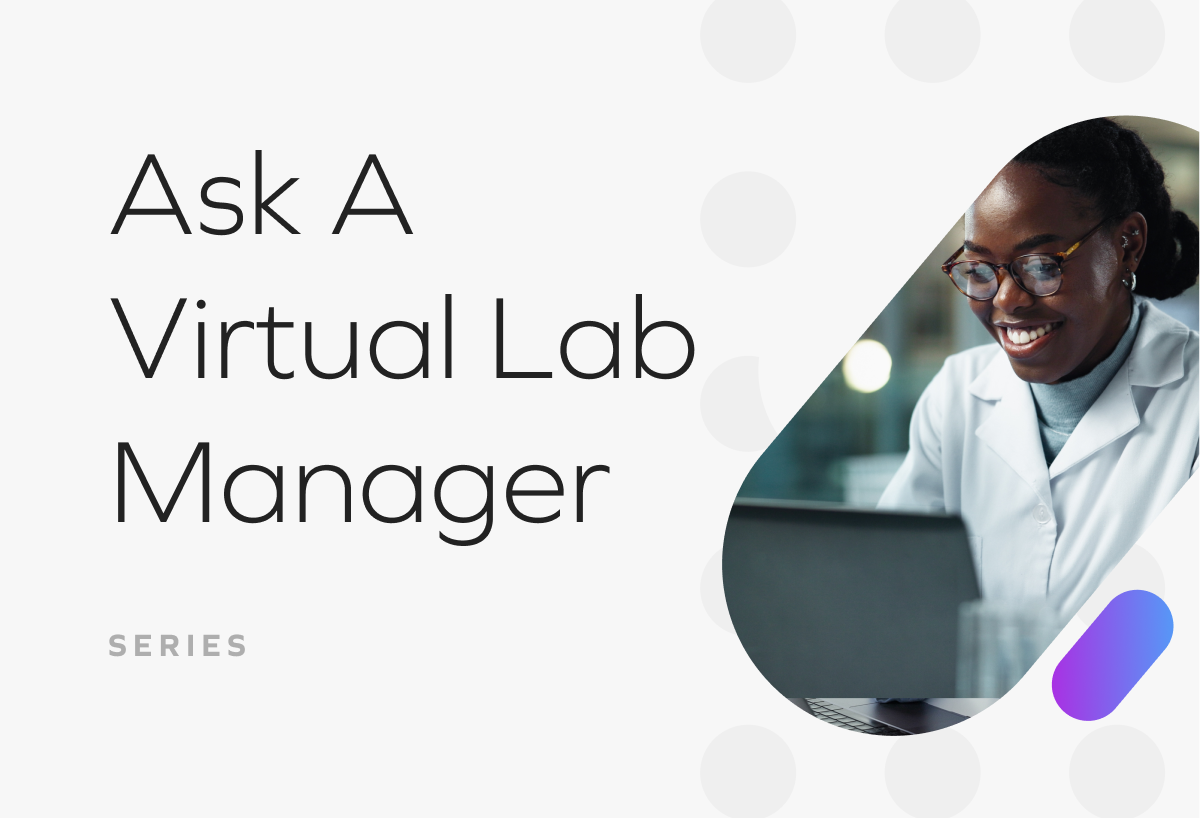
In under two minutes, Ian walks through how to weigh all three.

Have another question? Submit it here.
Frequently Asked Questions

How do you choose between two suppliers with similar offerings?

When two suppliers carry the same product at close to the same price, start with service. Pick the supplier that communicates best, with clear order updates, shipping notifications and fast answers when something goes wrong. If the price gap is wide, cost can decide it, and if everything else is close, favor the supplier you already have a relationship with.

What factors should a lab consider when choosing a supplier?

Labs should weigh three factors: service, cost and relationship. Service covers order updates, shipping notifications and responsiveness when problems come up. Cost matters most when the price difference is significant, and an existing relationship becomes the tiebreaker when service and price are close.

How do you choose a reliable lab supplier?

A reliable lab supplier communicates clearly about order status and shipping and responds quickly when an order slips. Order history is another signal: suppliers you buy from often tend to be more responsive to rush requests and more helpful finding alternatives for backordered items.

Should a lab split orders across several suppliers or stick with one?

Splitting small orders across near-identical suppliers can feel like keeping options open, but directing orders to one supplier builds a stronger relationship over time. That history gives a lab more room to negotiate pricing, faster help on rushed orders and better support when items are backordered.

Why do supplier relationships matter in lab purchasing?

Every order adds to a lab's history with a supplier, and that history affects how the supplier treats the lab. A strong relationship shapes responsiveness on rushed orders, willingness to source alternatives for backordered items and openness to revisiting pricing.