










.jpg?width=2048&height=1366&name=20231129_CASPhotoshoot_0223%20(1).jpg)
Drug-induced gastrointestinal toxicity (GIT) is one of the most common side effects for patients during clinical trials and one of the main dose-limiting factors in the development of new therapeutics.1 However, despite its high incidence, GIT is rarely the cause for attrition in the preclinical phases and instead requires symptom management, often resulting in reduced quality of life for the patient and potential reductions in patient compliance.1 Historically, the preclinical models used to assess GIT are either 2D immortalized cell lines (i.e. Caco-2), which lack expression of key genes and other functional cell types, or in vivo animal models, which do not accurately mimic human physiology and are low throughput.2 By maintaining a population of actively dividing stem cells, as well as other differentiated cell types of the human intestine, intestinal organoids are an accurate predictor of intestinal toxicity and provide results that are more predictive of the in vivo response than Caco-2 cells.2
To incorporate relevant organoid-based assays into your drug discovery pipeline in a cost-effective and time-saving manner, partner with STEMCELL Technologies’ Contract Assay Services (CAS), a contract research organization (CRO) that performs in vitro and in vivo primary cell assays that leverage the power of STEMCELL’s reagents. CAS provides confidential assay services for global pharmaceutical and biotechnology clients at all stages of therapeutic development, as well as expertise beyond in-house drug discovery capabilities.
Read on to find answers to frequently asked questions (FAQs) about organoid-based model systems and partnering with a CRO to advance your drug discovery.
1.What are the advantages of using organoid models over other in vitro models for drug discovery?
Traditional model systems, such as immortalized cell lines and animal models, have been useful for evaluating new therapeutic compounds by providing convenient tools for preclinical screening. However, these models may not contain the cell types necessary to provide you with more accurate and predictive results or may be of limited relevance to human physiology. In contrast, organoids offer the convenience of an in vitro cell culture model with the additional complexity of other cell types and spatial arrangements. As such, researchers can use organoids as highly predictive models in new therapeutic development and toxicity testing.
Organoid-based model systems provide many advantages over traditional 2D models for drug discovery. Some of these advantages are:
- Better representation of human physiology through species-specific and patient-specific models, as both normal and disease-representative organoids can be generated from any individual.3
- Ability to predict the impact of new treatments on specific human tissues due to the capacity of organoids to recapitulate tissue-specific cell compositions, enzyme and transporter profiles, and physical characteristics.4
- Management of inter-donor variability with the ability to generate and access living biobanks of organoids5, providing researchers with access to a wide range of healthy and diseased samples to study diseases, such as cancer6 and cystic fibrosis7.
- Versatility in assay design provides researchers with the ability to genetically modify organoids8 and culture them in a wide variety of formats9, including dome-embedded10, suspension11, air-liquid interface12, high-throughput 96/384-well formats13, and organ-on-a-chip (OoC)/microphysiological systems (MPS)3,14.
For more information on the use of organoids in drug discovery, read our mini-review “The Predictive Power of Organoids in Drug Discovery”.
2. What intestinal organoid models are currently available and where are they derived from?
Most commonly, primary intestinal organoid models are derived from tissue spanning the ileal, duodenal, and colonic regions of the intestine from either human or mouse samples.10 Both healthy and diseased tissue samples and human-derived organoids can be acquired from biobanks. For example, patient-derived organoids can be obtained from HUB Organoids through a licensing agreement based on required use and facilitate the management of inter-donor variability through donor standardization and representative panels. When using a CRO, such as CAS, which has an established licensing agreement with HUB Organoids, customers do not need any additional licensing to use any data created.
Intestinal organoids can also be established from undifferentiated cells through the differentiation of human pluripotent stem cells (hPSCs) to definitive endoderm and initiation of mid/hindgut specification, then through intestinal fate induction in 3D culture as intestinal organoids.15 These organoid models, in contrast to those developed from primary cells, incorporate a mesenchymal compartment that contributes to the intestinal stem cell niche signaling present in cultures. They also exhibit characteristics of the longer-term processes that take place during normal tissue development.
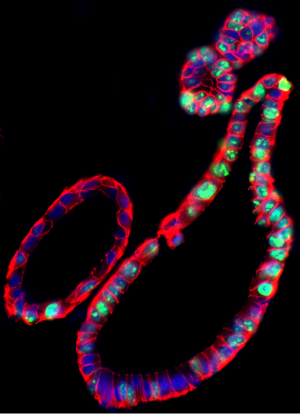
Figure 1. Intestinal Organoids Contain Actively Dividing Cells of the Intestinal Epithelium
Due to the presence of an actively dividing stem and progenitor cell population, human intestinal organoids provide a physiologically relevant model system for assessing the intestinal effects of candidate therapeutic compounds. Organoids maintained in an undifferentiated state contain a high proportion of actively dividing cells as indicated by the presence of the proliferation marker ki67 (green). This allows compounds to be tested for activity against genetically normal intestinal stem cells in a human-specific model system. Organoids shown are co-stained for EPCAM (red) and DAPI (blue).
3. What advantages do intestinal organoid-based assays provide for drug discovery?
Intestinal organoid-based assays, such as toxicity testing, barrier permeability, metabolism, and more, provide valuable advantages over traditional model-based assays in drug discovery as it has been demonstrated that compounds that interfere with the intestinal epithelium may not demonstrate the same effects when examined in immortalized cell lines or animal model systems (Figures 2 and 3).4,5 Accurate investigation of the impact of pharmacokinetic-related factors (absorption, distribution, metabolism, and excretion [ADME]), as well as GIT, are critical parts of the drug discovery process. Using intestinal organoids as your model system during this stage of drug discovery can allow you to increase your confidence in which therapeutic candidates can be brought forward.
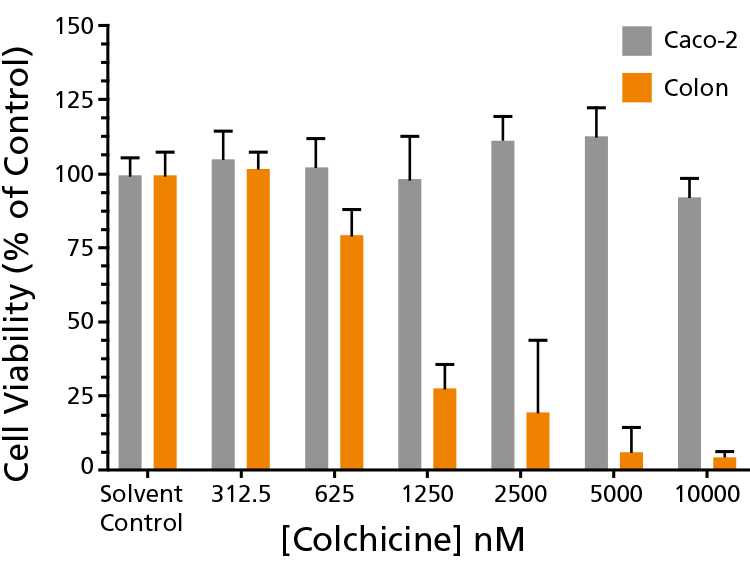
Figure 2. Intestinal Organoids Are a More Sensitive Indicator of Intestinal Toxicity than Caco-2 Cells
Intestinal organoids provide a better predictor of intestinal cytotoxicity in actively dividing cells. Intestinal organoids were grown from different regions of the intestine and assayed against compounds that primarily affect the growth and cellular division of the intestinal epithelium. Fully grown organoids treated with Colchicine demonstrate higher toxicity than is observed in Caco-2 cells, which show no sensitivity to Colchicine. Note: “Colon” in the legend refers to intestinal organoids.
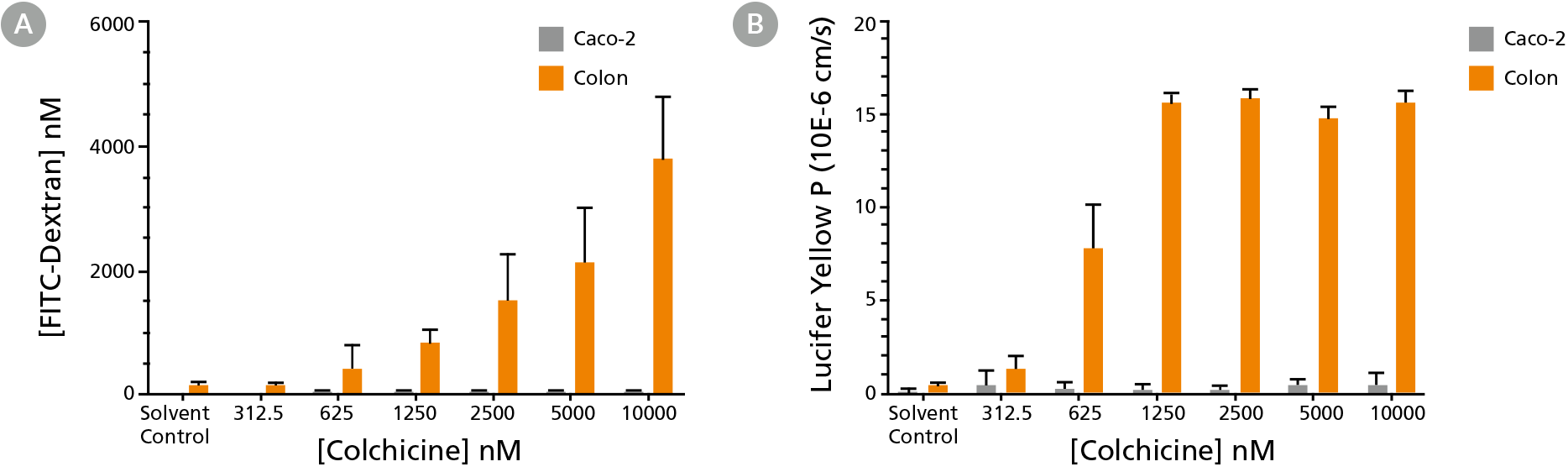
Figure 3. Intestinal Organoids Detect Barrier-Function Disruption Missed by Caco-2 Cells
Organoids are able to detect the barrier function disruption caused by Colchicine as measured by permeability to (A) FITC-Dextran and (B) Lucifer Yellow. This barrier disruption is not detected in Caco-2 cells. Note: “Colon” in the legend refers to intestinal organoids.
4. Can the data generated using organoid models be used for regulatory submission?
Yes, organoid models can be used for regulatory submission of novel therapeutics. This follows the recently passed legislation supporting the development and incorporation of scientifically validated new approach methods (NAMs), alternatively termed “non-animal models” or “new assay modalities”, to reduce or replace the use of animals in experiments and allow for rapid and effective risk assessment.16 In the USA, the FDA Modernization Act 2.0 was passed in 2022 and explicitly states that in vitro tests can be accepted in lieu of animal studies as long as the data submitted proves the models are equally capable of assessing risk.17 In other countries, Canada passed Bill S-5 and the EU has affirmed their commitment to modernize science which both similarly support the reduction of animal testing and the implementation of NAMs.
5. How can partnering with a CRO, like STEMCELL Technologies’ Contract Assay Services, advance my drug discovery?
Partnering with a CRO, such as CAS, can help you to incorporate intestinal organoid-based assays into your drug discovery pipeline in a cost-effective and time-saving manner. CAS currently offers intestinal cytotoxicity testing, intestinal barrier integrity testing, and custom assay services and development. In addition to the standard data provided, there are a wide range of readouts available, including growth/size evaluation via image analysis, branching evaluation via manual scoring, cell viability via CellTiter-Glo®, qPCR gene analysis, immunocytochemistry, and flow cytometry.
CAS also offers other contract research services, including standardized and custom-designed colony-forming unit (CFU) assays, HemaTox™ assays which assess the toxicity of drugs on CD34+ hematopoietic stem and progenitor cells, CD34+ stimulation & expansion assays, and CAR T cell-mediated hematopoietic toxicity testing. Additionally, CAS has many more cell-based assay services that cater to diverse research needs, as well as custom assay services and assay development.
6. How can I know if STEMCELL Technologies’ Contract Assay Services is the right fit for my needs?
Set up a free consultation to find out how Contract Assay Services (CAS) can help you meet your objectives. CAS is always working to expand available services to meet your needs with new model systems. If you have a model system in mind, let us know and we can work with you to achieve your goals.
References
- Belair D et al. (2020) Human ileal organoid model recapitulates clinical incidence of diarrhea associated with small molecule drugs. Toxicol in Vitro 68:104928.
- Markus J et al. (2021) Human small intestinal organotypic culture model for drug permeation, inflammation, and toxicity assays. In Vitro Cell. Dev. Biol.-Animal 57(2):160-173.
- Yang S et al. (2020) Organoids: The current status and biomedical applications. MedComm 4(3):e274.
- Emerens Wensink G et al. (2021) Patient-derived organoids as a predictive biomarker for treatment response in cancer patients. npj Precis. Onc 5(1):1-13.
- Perrone F & Zilbauer M (2021) Biobanking of human gut organoids for translational research. Exp Mol Med 53(1):1451-58.
- van de Wetering M et al. (2015) Prospective derivation of a living organoid biobank of colorectal cancer patients. Cell 161: 933-45.
- Geurts MH et al. (2020) CRISPR-based adenine editors correct nonsense mutations in a cystic fibrosis organoid biobank. Cell Stem Cell 26:503-10.e7.
- Teriyapirom I et al. (2021) Genetic engineering in organoids. J Mol Med (Berl) 99(4):555-568.
- Hofer M & Lutolf M (2021) Engineering organoids. Nat Rev Mater 6(5):402-420.
- Sato T et al. (2011) Long-term expansion of epithelial organoids from human colon, adenoma, adenocarcinoma, and Barrett’s epithelium. Gastroenterology 141(5):1762-72.
- Price S et al. (2022) A suspension technique for efficient large-scale cancer organoid culture and perturbation screens. Sci Rep 12(1):5571.
- Li X et al. (2016) An air-liquid interface culture system for 3D organoid culture of diverse primary gastrointestinal tissues.Methods Mol Biol 1422:33-40.
- Brandenberg N et al. (2020) High-throughput automated organoid culture via stem-cell aggregation in microcavity arrays. Nat Biomed Eng 4(9):863-874.
- Peters M et al. (2020) Developing in vitro assays to transform gastrointestinal safety assessment: potential for microphysiological systems. Lab Chip 20(7):1177-90.
- Spence J et al. (2010) Directed differentiation of human pluripotent stem cells into intestinal tissue in vitro. Nature 470(7332): 105-9.
- Stresser DM et al. (2023) Towards in vitro models for reducing or replacing the use of animals in drug testing. Nat Biomed Eng: 1-6.
- Zushin PJ et al. (2023) FDA Modernization Act 2.0: transitioning beyond animal models with human cells, organoids, and AI/ML-based approaches. J Clin Invest 133(21):e175824.