











The Changing Face of Procurement in R&D
Procurement has always been one of the most strategic levers in business. In fact, companies today spend more than half of their revenues on goods and services from external suppliers. That means every procurement decision directly affects profitability, competitiveness, and ultimately, the pace of innovation.
Yet in the world of biopharma R&D, procurement has often erroneously been characterized as a gatekeeper. Scientists, driven by the urgency of experiments, trial timelines, and the pursuit of breakthroughs, frequently see procurement as a roadblock to progress rather than a partner in discovery.
The reasons are not hard to find:
- Procurement processes can be slow and heavily bureaucratic to maintain control and visibility into spend
- Supplier vetting, approvals, and compliance checks often delay critical experiments
- Scientists, under pressure to move fast, sometimes turn to “rogue” sourcing or off-platform workarounds
Procurement professionals, in turn, feel disconnected from scientific goals, forced into the role of enforcer rather than enabler.
This tension not only creates friction within organizations, but it also undermines the potential value procurement can deliver. Because when viewed strategically, procurement is not just about risk and cost control, it’s about enabling innovation at scale.
Why Supplier Orchestration Software Is a Game-Changer
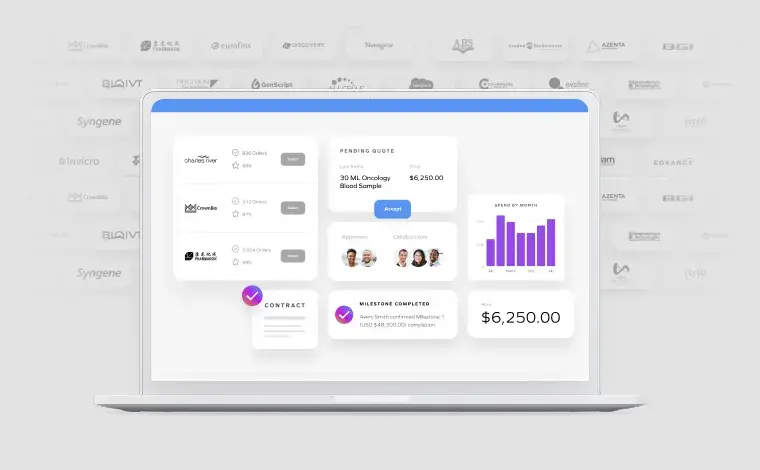
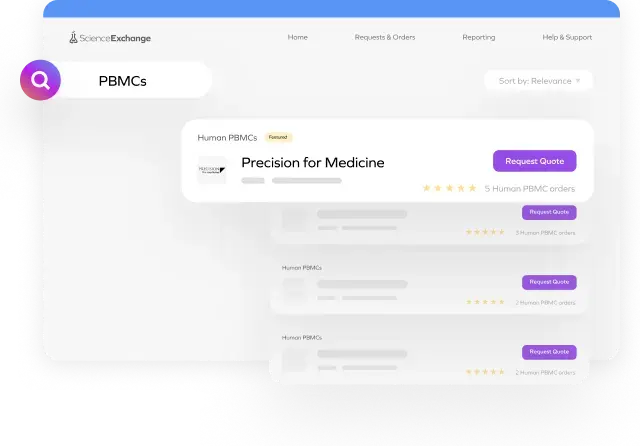
The introduction of supplier orchestration software, like Science Exchange, into procurement workflows has the potential to reshape this dynamic. Supplier orchestration solutions fully manage supplier discovery, contracting, purchasing, ongoing projects and payment processing via a single platform.
It’s not simply about digitizing existing processes, it's about reimagining the role of procurement in the innovation ecosystem. Coupled with AI, these tools have the ability to transform workflows and drive efficiencies.
When applied thoughtfully, purpose-built software can enable procurement teams to:
- Shift from reactive to proactive: Instead of waiting for sourcing requests, procurement can identify needs early, recommend suppliers in real time, and help scientists anticipate bottlenecks before they occur
- Automate the tactical: Routine processes like supplier search, document routing, and compliance checks can be handled by intelligent systems, reducing delays and freeing up human capacity for more strategic work
- Ensure compliance without friction: Orchestration software embeds policy adherence into workflows so that compliance becomes invisible - scientists move faster, and procurement avoids risk without adding layers of approvals
- Enhance collaboration: With contextual insights into study design and supplier capabilities, procurement can engage as a trusted advisor to R&D teams, rather than as a last stop for sign-off
In short: A solution like Science Exchange allows procurement to evolve from a gatekeeper function to a true partner in advancing science.
What This Looks Like in Practice
Imagine an R&D scientist searching for a niche supplier to run a specialized assay. Today, that might involve weeks of back and forth emails, legal reviews, and manual checks. With technology-enabled procurement:
- The system surfaces vetted, compliant suppliers based on study parameters
- Contract templates are automatically adapted to meet regulatory and corporate policies
- Approval routing is streamlined, with exceptions flagged for human review only when necessary
- Procurement and scientists view the same dashboards, ensuring transparency and alignment on timelines
Instead of frustration and delays, both parties experience speed, confidence, and mutual trust.
Why Procurement Leaders Need to Act Now
For procurement leaders, the opportunity is clear, but so is the urgency. Digitization in R&D is accelerating rapidly, and while much of the focus has been on how it benefits scientists, there is a parallel revolution happening in how procurement can contribute to innovation.
Those who act now can:
- Elevate the function’s strategic value: Procurement becomes a driver of R&D productivity rather than a back-office function
- Strengthen cross-functional collaboration: By aligning more closely with scientific goals, procurement earns credibility as a business partner
- Build resilience and agility: Orchestration software equips organizations to respond faster to supply disruptions, regulatory shifts, and evolving research needs
Those who wait, risk being left behind - trapped in outdated models that frustrate scientists, limit agility, and ultimately slow down innovation.
A Call to Action
The question for procurement leaders is no longer whether supplier orchestration software will change the way they work, but how quickly they are prepared to embrace that change.
Start by asking:
- Where are the biggest sources of friction between procurement and R&D today?
- Which tactical processes consume the most time but add the least value?
- How can supplier orchestration software be embedded to simultaneously reduce cycle times and improve compliance? How can this be further improved with native agentic workflows?
- What new capabilities will allow procurement to show up as a partner in science rather than a hurdle to overcome?
The answers will not only redefine procurement’s role within R&D organizations, they will also shape the pace at which companies bring new therapies to patients.